
If you’re wondering how to live a simple life in a world that feels increasingly busy, the answer isn’t radical change – it’s small daily shifts. Modern life moves faster than ever – both literally (trains, planes and cars), and digitally (social media, notifications and constant connectivity). But learning how to live a simple life doesn’t require drastic change.
Modern life rewards speed, stimulation and constant availability. But without boundaries, this pace can quietly erode our clarity and calm. Understanding how to live a simple life helps you reclaim control over your time, energy and attention. Here are 14 simple ways that you can use to put the brakes on…
1. Read more
Reading is a great way to slow down life by letting yourself get absorbed in the words. If you can find a good book, give yourself time to read it and soon you won’t want to put it down. Reading can slow the progress of Alzheimer’s and Dementia, and a good book helps you to relax, reducing stress. Personally, I try to read before bed each night – it really helps to calm my mind down, and after 10-20 minutes, I’m usually ready to fall asleep. More riveting books tend to keep me awake for longer!
2. Stop watching the news
At the very least, you should consider limiting your news intake. Constant exposure to negative headlines leads to increased stress and anxiety. Why be exposed to the news if it often leaves you feeling like this? I’ve deleted the news app on my phone and stay away from the news as much as possible. Of course, if there is something really big going on, it’s difficult not to be aware somehow!
3. Spend time in nature
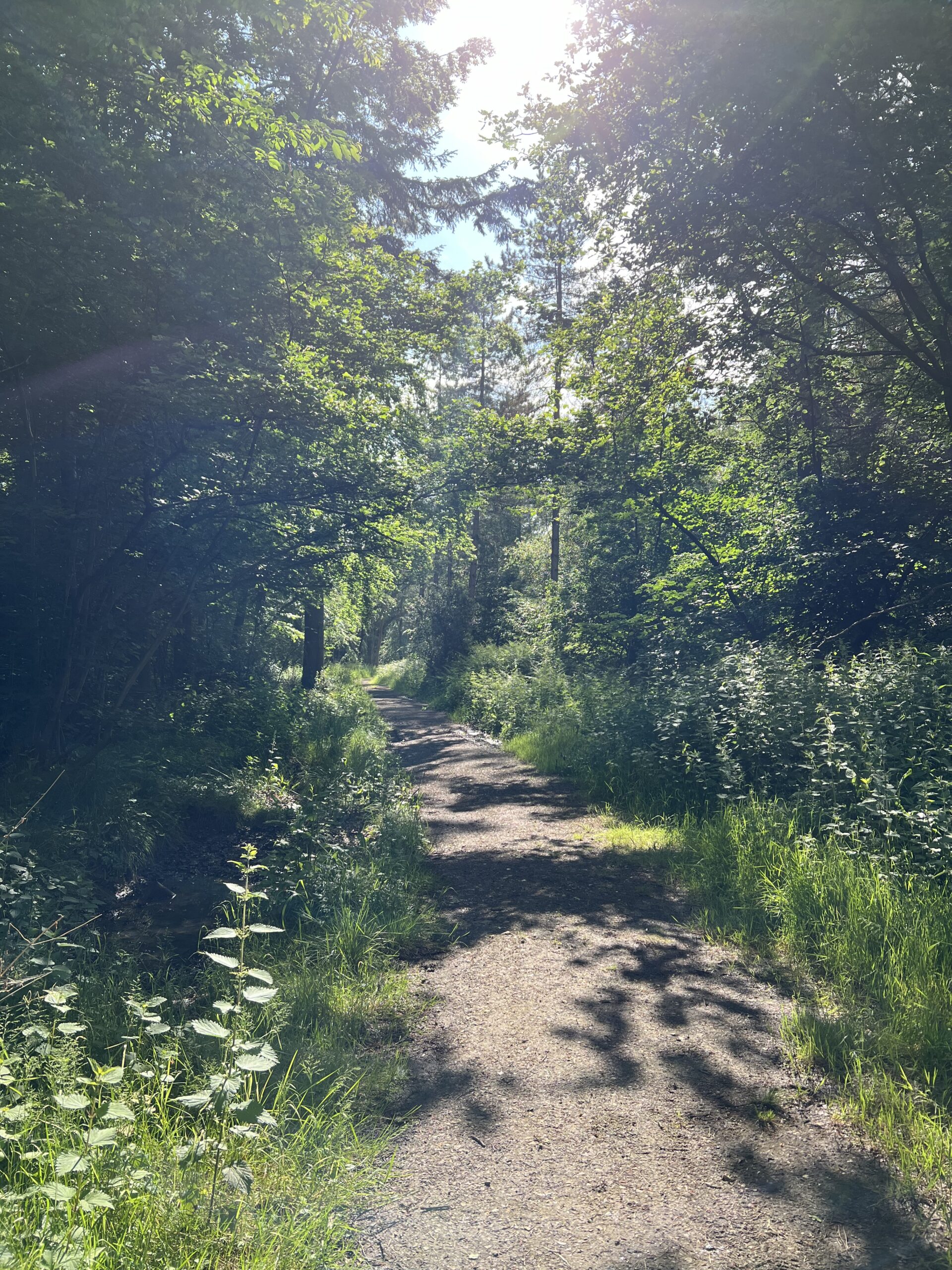
Nature has a strong positive effect on people. Our minds and bodies tend to relax in natural settings, away from the sensory overload of the office or urban environment. Getting out in nature also gives us motivation to move – whether it’s hiking, biking or kayaking, you’ll want to do something physical when you get outside! Finally, being outside can improve your mental health – regular access to green spaces has been linked to lower risks of depression and improved concentration and attention. You’ll probably find you sleep better if you get outside regularly too.
4. Look at the sky more often
Perhaps a less-frequently discussed method to slow down (I’m biased due to my love of the weather), but much like the above, I believe that the simple act of looking at the sky and watching the clouds roll past can have a positive mental health benefit. It’s surprisingly relaxing if you allow your mind to be absorbed. Pick a bright day with lots of clouds rolling past and you’ll see what I mean. You might even engage in the old act of looking for shapes in them!

The sky is an ever-changing collage of shapes. You never know what you might see!
5. Get gardening!
Gardening provides an escape from life through spending time in nature. Also, you’ll have a natural space to take care of – which will reward you plentifully if you look after it properly. The excitement of putting your own produce on the plate at dinner just can’t be beaten. Plus, food you’ve grown yourself always tastes better than from the supermarket!
6. Take time to appreciate the simple things
This requires a bit of a mental mindset shift. Consider all the conveniences of modern life which we take for granted – surely we ought to be more grateful for these? That steaming hot mug of tea or coffee (or hot chocolate!) that you made is actually really delicious (and smells amazing). The music album you just heard was a beautiful listening experience. The hot shower you had after a long day really just hit the spot – perhaps just stand there for another minute, soaking it up and enjoying the bliss.
7. Actually listen to music
Do you really do this? Think about it – how often do you sit down with a warm brew (or cold beverage – whatever takes your fancy!), and properly listen to an album, without your phone or any other distractions. Few people do this, but when you actually listen to the lyrics and melody, you’ll realise how beautiful music really is.
8. Meditate
Meditation can provide a moment of calm every day. Whatever this may be – yoga, breathing exercises, listening to a gong, counting mala beads… meditation can help you calm down, gain focus over your day and reflect on the past. If done regularly, these practises can really have a positive impact on your wellbeing.
9. Find your spirituality
I believe that everyone should have some form of spirituality in their life. You might be missing an important dimension of calm and perspective if you don’t explore spirituality – and it doesn’t have to be religious. It can be anything that brings calm and perspective – meditation, reading, running, hiking, and even certain sports can all be spiritual in one way or another. Spirituality can help to install a set of timeless values that you can live your life by.
10. Keep a diary
Personally, I like to write a list of goals in the morning for the day ahead. This keeps me motivated and focussed, preventing me from becoming distracted by life. Writing down a list of things you are grateful for every week can also encourage you to reflect on what you have, and remind you what is most important.
11. Discover a hobby you enjoy and find relaxing
Painting, knitting, woodworking, board games, model kit building – discovering a chill hobby like these may be the escape you need in your life.
12. Step away from busy environments!
With apologies to the 55% of the world’s population who live in an urban area, urban environments are likely to cause sensory overload, leading to cognitive fatigue, reduced focus and even anxiety. If you can live out in the country, you’ll probably find a slower pace of life comes naturally.
13. Watch more sunrises and sunsets
What can be more natural than watching the sun rise or set? It happens every day, yet how many have you missed throughout your life? Yes, sometimes cloud gets in the way (I can certainly attest to this, living in the UK!), but a little cloud can add an extra depth of atmosphere to the event. Watching the sun rise or set will leave with you a tranquility which is hard to beat.
14. Put your phone down
This is an obvious one – limit the amount of time you spend on social media and scrolling. You might have some brief withdrawal symptoms, but the benefits of reduced stress and anxiety will be profound.
Actionable takeaways: how to live a simple life
- Reduce digital noise.
- Spend more time outdoors.
- Replace passive consumption (TV, scrolling, social media), with active hobbies.
- Limit unnecessary information intake (i.e. the news).
- Practise daily gratitude.
FAQ
Living a simple life means being intentional with your time, energy and attention. It’s about reducing unnecessary distractions, limiting digital noise, prioritising meaningful activities and focusing on what truly adds value to your wellbeing.
Start small. Reduce one source of noise or stress – such as limiting social media, reading more, or spending time outdoors. Simple living isn’t about drastic change; it’s about consistent, daily habits that create calm and clarity over time.
Yes. Reducing information overload, spending time in nature, practising gratitude and limiting digital consumption can lower stress and improve focus. Many people find that simplifying daily habits leads to greater emotional balance.
Minimalism focuses mainly on reducing physical possessions. Simple living is broader – it includes mindset, habits, time management, digital consumption and intentional lifestyle design.
Understanding how to live a simple life isn’t about escaping responsibility – it’s about being intentional with your time, energy and attention. Start small. Choose one or two habits from this list and practise them consistently. Over time, you’ll build a slower, calmer and more intentional way of living – one rooted in clarity rather than chaos.
Have I missed anything out? What would you add to this list? Let me know in the comments section below.
You may also like to read…
- Investing in the stock market and building wealth
- Live a simple life and save a ton of money
- A Millionaire is made £3.50 at a time
- Simple Ways to Save Money
You can follow me on X, and find me on Pinterest and Facebook.
Leave a Reply