
If you’re wondering how to save money without drastically changing your life, the answer lies in small daily habits. These simple ways to save money don’t require extreme budgeting or sacrifice. Instead, they focus on small, consistent choices that reduce unnecessary spending over time. While investing is important for building wealth, you first need to accumulate enough money to invest. Learning some simple ways to save money is the first step towards financial freedom.
Fortunately, saving money doesn’t require extreme frugality. Many simple ways to save money involve small, daily habits that reduce unnecessary spending without lowering your quality of life.
Quick Summary: Simple Ways to Save Money
If you want to reduce your expenses quickly, start with these simple changes:
- Check your bank statements regularly.
- Cut out unused subscriptions.
- Buy used items instead of new.
- Reduce restaurant spending.
- Book holidays in the off season.
- Ask yourself if you really need it.
Here are 14 practical strategies that can help you reduce your monthly expenses and actually work:
Shop at a cheaper supermarket
Aldi and Lidl are known as budget supermarkets, and are now prolific in the UK. Shopping at these supermarkets could save you hundreds compared with more expensive supermarkets. Shopping smartly like this is one of the easiest ways to save money without compromising quality.
Use a loyalty card when shopping
Even small savings add up. Supermarket loyalty cards offer discounts and rewards for purchases you already make. Claiming them is free money!
Eat less meat
Meat is one of the most expensive ways to consume calories. You can get sufficient protein from nuts, legumes, and plant-based alternatives. Cutting back on meat not only saves you money, but also helps the planet.
Cut out streaming services you rarely use
Multiple subscriptions can quietly drain your budget. Consider the ones you watch the least and stop paying for them. You probably won’t even notice they’re gone.
Start reading more
Reading is a cheap and fulfilling hobby. Once you get absorbed into a good book, you’ll naturally spend less on entertainment and distractions. Buy second-hand books or borrow from libraries to save even more.
Drive less
Cars are expensive. If you can walk, cycle, or use public transport instead, you could save hundreds of pounds per month. Even occasional trips on foot or by bike make a big difference.
Shop in charity shops and thrift stores
You can find great deals on clothes, books, and furniture in charity shops. Many items are like-new, and it’s an eco-friendly way to save money.
Book holidays more locally and off season
Domestic travel reduces flight costs and stress. Booking trips off-season avoids the premium rates during peak periods. You’ll often get better weather, fewer people, and big savings.

Above, Bodrum, Türkiye, in April 2025. I went on holiday here just as the tourist season started. The weather was fantastic, the streets were quiet and it wasn’t too hot (like it is in midsummer). Plus, the holiday was three times cheaper than in July or August!
Shop around for your phone, internet and energy contracts
Compare providers regularly. Switching plans or renegotiating contracts can save hundreds of pounds each year. Just make sure you’re committed before you lock it in!
Buy used tech and furniture
Technology and furniture both depreciate quickly from new, and you may save 50% or more buying second hand. If you’re willing to put in a bit of effort, you can find great used items on websites like eBay, Craigslist, Facebook Marketplace and Gumtree.
Don’t overbuy gifts
Instead of buying people multiple gifts, focus on meaningful items or experiences. Homemade gifts or time spent together can be more valuable than anything money can buy.
Replace things only when needed
Keep hold of things until they actually need to be replaced. This prevents waste and saves money. Buying new things probably won’t make you any happier in the long-term anyway.
Ask “Do I really need this?“
Whenever you feel the urge to buy something, wait 48 hours and reconsider. For bigger purchases, extend the waiting period to a week, a month or even six months. This simple habit drastically reduces impulsive spending.
Check your bank statements regularly
Review the past 6 months of expenses. Identify subscriptions, automatic payments, or unnecessary purchases you can eliminate.

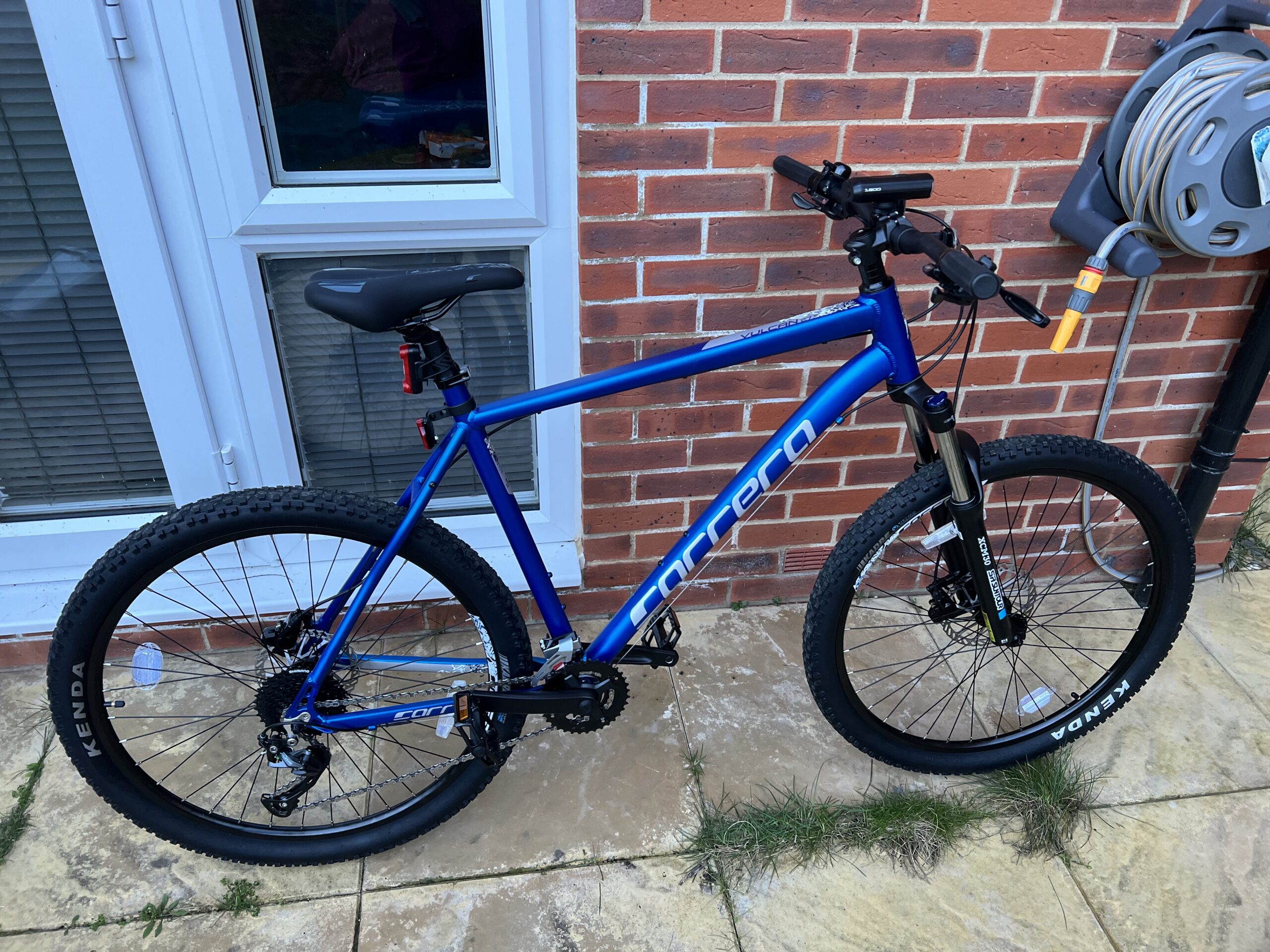
Cycling instead of driving can be a great way to save money.
While the ideas above are small everyday habits, some of the biggest opportunities to save money come from larger lifestyle decisions.
The Biggest Opportunities to Save Money
Eating/drinking out
Restaurants, bars and takeaways are expensive. Apparently, the average Briton spends more than £4000 per year eating out! Even cutting out one meal per month will save a noticeable amount. Treat eating out as a luxury rather than an option for when you’re hungry and can’t be bothered to cook.
Cars
In the UK, ownership costs for a typical car may be between £4000-5000 per year (accounting for things like maintenance, insurance, fuel, depreciation). Buying a small, used, economy vehicle, paying cash, and keeping it for longer can save tens of thousands of pounds over a lifetime.
Housing
Housing is often the largest expense. Moving to a lower cost-of-living area, especially if you can work remotely, can save hundreds of thousands over your lifetime. It’s a bold step – often requiring a complete uprooting of your life – but extremely impactful.
Actionable takeaways: Simple Ways to Save Money
- Reduce unnecessary subscriptions and recurring payments.
- Spend more time outdoors or on low-cost hobbies.
- Cut back on major expenses like dining out, transport and housing.
- Practise mindful spending before making purchases.
- Regularly review your bank statements to identify wasteful spending.
Frequently Asked Questions (FAQ)
Small lifestyle changes such as shopping at cheaper stores, eating less meat, cutting subscriptions, and walking or cycling can quickly add up.
Focus on intentional spending. Keep the things that bring value or joy, and reduce wasteful or impulsive purchases.
Absolutely. Regularly practising small, consistent habits compounds over time and leads to significant savings.
Housing, transport, and dining out are typically the largest expenses. Making strategic changes in these areas has the greatest impact.
The most effective simple ways to save money usually aren’t dramatic lifestyle changes – they’re small habits that are repeated consistently over time.
What are your favourite simple ways to save money? Let me know in the comments below!
I hope you found this article helpful! Here are some other posts you might be interested in:
- A Millionaire is made £3.50 at a time
- Investing in the stock market and building wealth
- Live a simple life and save a ton of money
You can follow me on X, and find me on Pinterest and Facebook.
Leave a Reply