
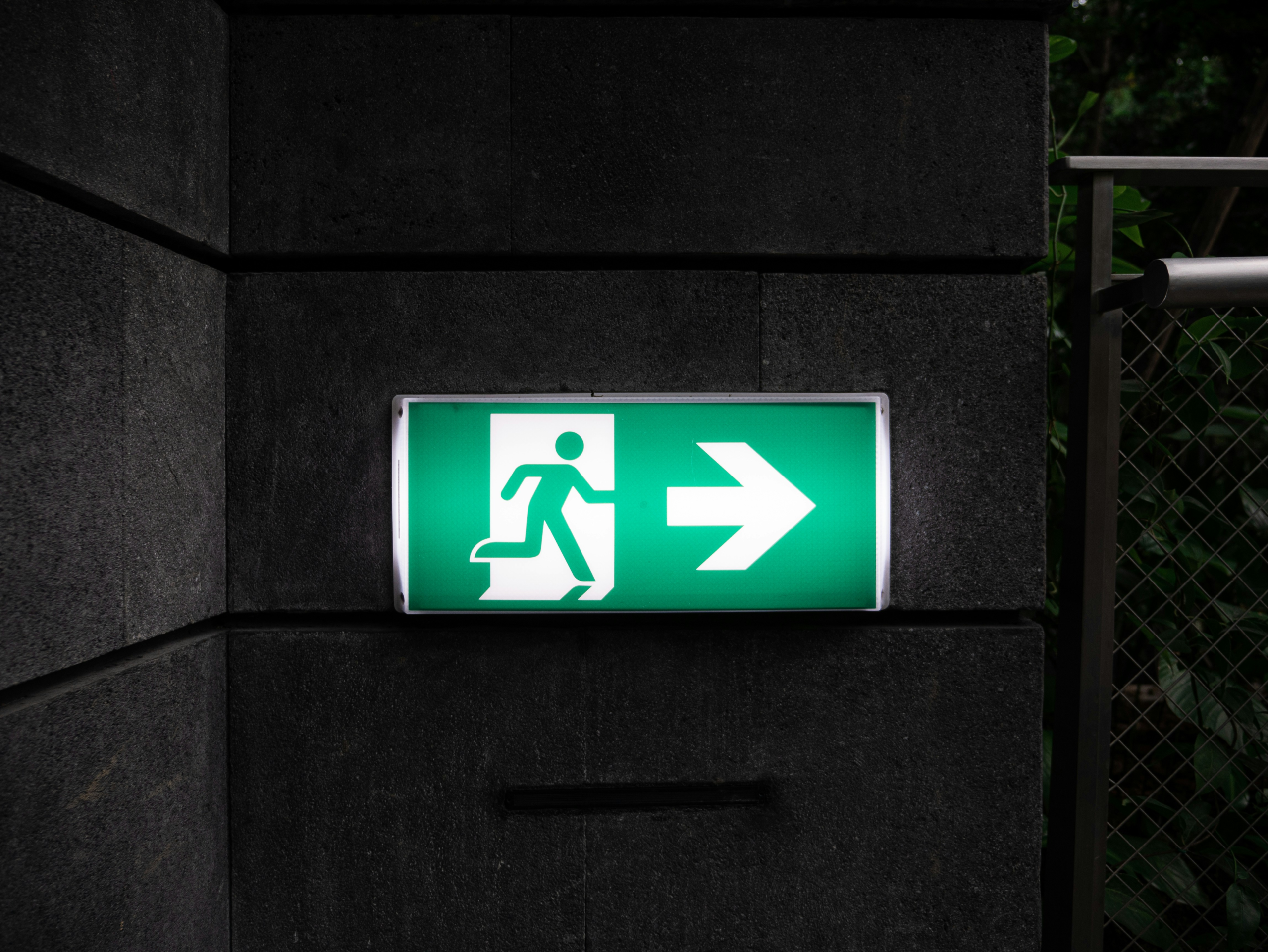
Ah, the Emergency Fund. The first step on your financial roadmap. This is the foundation – the bedrock upon which your entire financial life is built. Many of my audience may already have one and know what I’m talking about, so I may be preaching to the choir.
But then again, 32% of UK adults have less than £500 in emergency savings, and 13% have no emergency savings at all(!) I cannot stress how important it is to have a fully-funded Emergency Fund. You will save yourself so much stress and avoid paying interest payments on credit you would otherwise need to take out.
If you don’t have one… you’re in deep sh*t
It’s a CRISIS if you don’t have at least one month’s worth of expenses saved! This is the FIRST step you need to take on your financial journey (How to get ahead with money in 2026). You literally need to drop everything and figure out how to get that cash into an Emergency Fund account as quickly as possible. I’m not going to sugar-coat it – you’re in a BAD financial position if you don’t have one. Here’s why:
What happens if a sudden expense is thrown at you? Suppose you get a puncture and need to replace a tyre on your car. Or your boiler stops working in the middle of winter and you need emergency repairs. How do you pay for it? Well, the most likely option is to use high-interest debt like a credit card, or worse, a payday loan.
Avoid interest repayments at all costs
The problem with this method is the excessive interest you are committing yourself to repaying. Debt is like a black hole that prevents you from building wealth. Get rid of it as quickly as possible. Annual interest rates are typically around 25% on credit card debt, while, with a payday loan (which is a highly immoral form of lending) the interest may be up to 1,500%!! So, if you borrowed £100 for 30 days using a payday loan, the maximum you could expect to pay back, including fees, is £124, after just one month. That’s absurd. If stock market returns were this good, we’d all be billionaires after just a few years.
If you’ve got an Emergency Fund, even with just one month’s worth of expenses, well… phew *wipes sweat from brow* you can breathe a little. Instead of being forced to take out a payday loan, you can just pay yourself back from the Emergency Fund in your own time, with zero interest. You see the difference here? The Emergency Fund keeps your head above water (the waterline being debt).
Build the Emergency Fund to 3-6 months’ worth of expenses
That is, once you’ve paid off all high-interest debt (anything over 5%). More information can be found here. Once you’ve done that, you’re free to continue pouring money into the Emergency Fund. You can save as much as you want, it’s totally up to you and what you feel comfortable with.
Somewhere between 3-6 month’s worth of expenses is reasonable. This provides a financial cushion if you lose your job, face unexpected medical bills or encounter major household repairs.
At this point, you’ve freed yourself from debt (mortgage and student loans excluding), and can now swim (and breathe) more freely. You no longer have to worry about high-interest debt, and can start to make your money work for you.
Find a savings account that you can access easily (same day or next day access), but which also offers interest for your savings. I’ve personally used Plum for several years now. They currently offer 3.2% interest on their free account, but they do offer up to 4.08% on their paid-for accounts. I’ve earned over £500 in interest from my Emergency Savings alone! Over time, the interest payments really do mount up.
I’m not going to compile my own list of UK-based current accounts that pay the highest interest. There are many websites, like MoneySavingExpert, which do it better. Here’s their list. Have a look through and ideally look for easy-access savings or ISA accounts. You should ideally reserve the ISA for long-term investments, but for the beginning of your finance journey, there’s no harm in using your ISA allowance for an Emergency Fund.
You’ll sleep better at night
Having the cash to cover any sudden expenses which crop up in your life will give you peace of mind and, by reducing stress, will literally help you to sleep better at night. Once you’ve built up your fully-stocked Emergency Fund, you can then focus on building wealth through investing. Suddenly, you’ll be on the ascending escalator towards financial freedom, rather than trying to climb the wrong way up the descending escalator dragging you down to the Black Hole of Debt.
I hope you appreciate the bluntness of my language in this blog. It’s necessary to emphasise the deep shit you’re in if you don’t have an Emergency Fund. Thanks for reading!
FAQ
An Emergency Fund is cash set aside specifically for unexpected expenses like car repairs, medical bills, or a job loss. It acts as a financial safety net, so you’re not forced into high-interest debt. Think of it as your “financial lifejacket” — it keeps you afloat when life throws curveballs.
Ideally, 3–6 months’ worth of living expenses. If your income is unpredictable, lean towards 6 months. This provides a buffer for sudden bills, unemployment, or emergencies without needing to borrow. Start small if needed, but the key is consistency — build it steadily until fully funded.
Your Emergency Fund should be in a safe, easily accessible account — same-day or next-day access is ideal. Avoid investing it in stocks or ETFs; this money needs to be liquid. Options include high-interest savings accounts or easy-access ISAs. The priority is accessibility and safety over chasing high returns.
No – that would defeat the purpose. Think of it as sacred cash — only to cover sudden, unavoidable expenses. If you dip into it for everyday spending, you risk falling back into debt and losing the peace of mind the fund is meant to provide.
Pay off high-interest debt first (credit cards, payday loans). Once you’ve eliminated the worst debt, start saving small amounts regularly — even £50–£100 per month adds up. Automate deposits into your Emergency Fund so it grows effortlessly.
How much better do you feel after having built your Emergency Fund? Does it give you peace of mind? Let me know in the comments below. 🙂
If you enjoyed this blog, you might also like:
- How to get ahead with money in 2026.
- The best index funds to own in 2026 (UK).
- Save money by running your personal finances like a business.
You can follow me on X, and find me on Pinterest, Instagram and Facebook.
Leave a Reply