
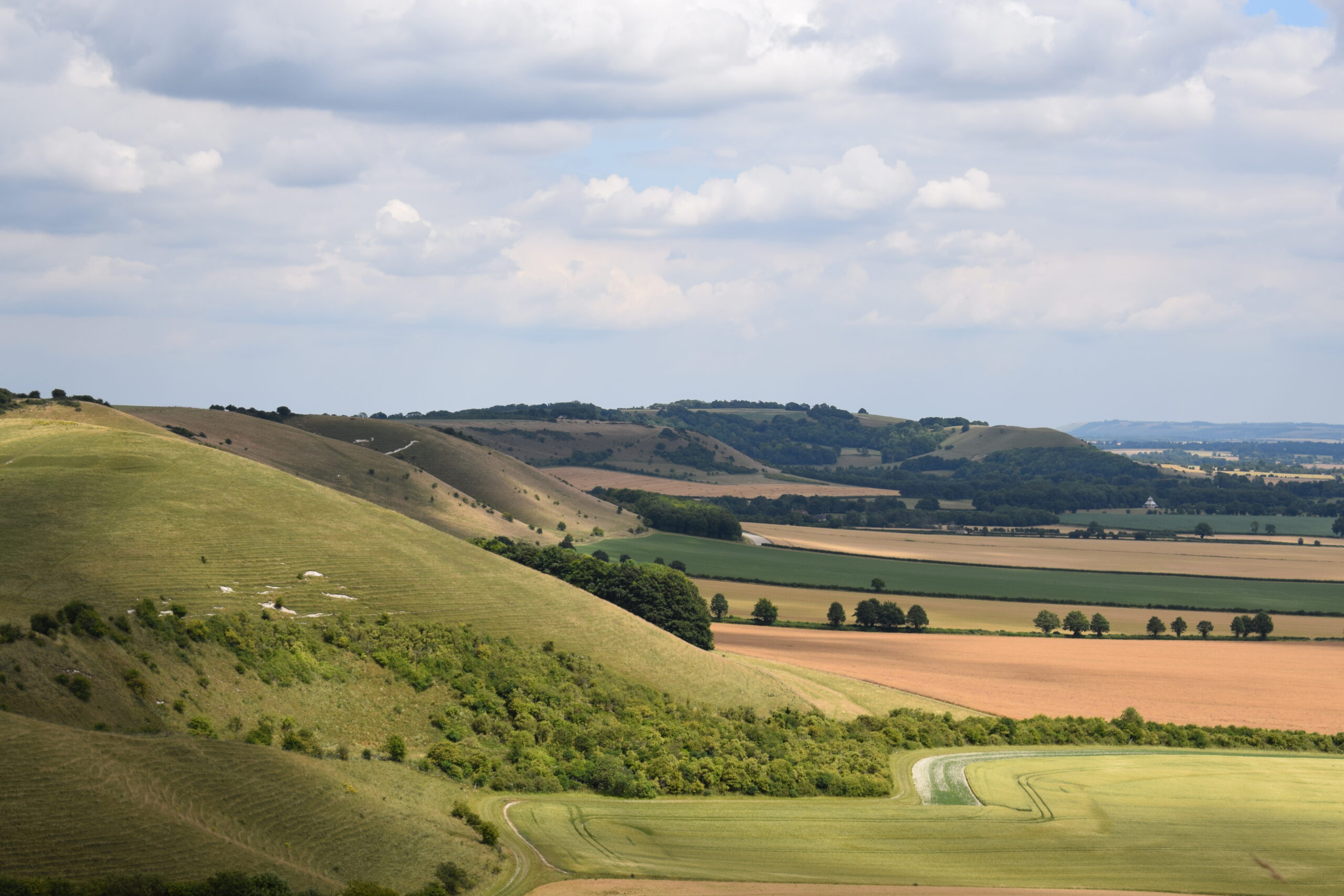
As I pounded the cycle paths around the estate where I live on my afternoon run, a thought occurred to me: why aren’t there more people out running? It was my lunch break during a lovely sunny day at the end of a long winter. It felt like spring. I certainly saw more people outside than when it was cold and raining. But why weren’t there more?
The answer is simple – discipline and consistency.
It’s easy to show up when the sun is shining. Much harder when it’s cold, wet, and uncomfortable. But the difference between those who make real progress in life and those who don’t often comes down to these two traits.
Not a fair-weather runner
Considering the above, an even more noticeable point appears to me – that there were so few people out running when the weather was bad in the winter. I do get it – the weather isn’t always nice, with winter often especially miserable. Not ideal weather conditions for the fair-weather runner.
But I’m not a fair-weather runner. Never have been. A run in the sunshine feels like bliss compared to running in the cold and rain. This is one thing I love about exercising outdoors throughout the winter – springtime runs feel so much better when the weather is sunny and warm after running consistently in the cold, dark and rain.
So, more people do exercise outside during a period of nice weather. Of course they would. Makes sense. I too want to get out more often when it’s sunny. But my running regime remains consistent regardless of the weather. For the fair-weather runner this is not the case. There’s nothing necessarily wrong with this; any exercise is better for you than doing nothing.
How consistency builds elite fitness over time
Running regularly throughout the year requires discipline and consistency. Discipline to put your trainers on and go for a run even when you don’t really want to. Discipline to be consistent – this is what the fair-weather runner lacks.
While I can’t promise you’ll always want to go for a run before you set out, I can promise you one thing: you’ll always feel better when you’ve finished (or completed any form of high-intensity exercise).
The consistent pushing of physical boundaries is what elevates the all-weather runner to levels of cardiovascular fitness that are unobtainable to the casual runner. If you want to have elite fitness (i.e. top ~2.3% for your age group and sex), you have to continue exercising outside even when you don’t want to – including when the weather is bad. These things are not an excuse.
While I’ve used discipline and consistency to become the fittest and strongest I’ve ever been, there are many other areas of life these crucial skills can be assigned.
Get back to hard work and graft
You may not want to hear it, but good old-fashioned hard work and graft will get you a long way in life. There’s no way around it. You can learn to compliment your hard work with additional skills like being able to effectively communicate your achievements to your manager so you can be rewarded appropriately, but ultimately it’s the hard work you do that matters.
Being productive is not just about working hard, it’s also about being efficient with your time. We all only have a certain amount of waking hours in the day. Some lucky people can operate effectively on very little sleep, but for the majority of us, we have ~16 waking hours every day to do things. If you build the discipline to reduce the amount of time you spend procrastinating, you’ll get more real work done.
Be disciplined and consistent throughout life
When you do this, you’ll see how these skills really are a superpower when combined.
If you’re most productive in the morning, then get up earlier and work on your side hustle or business idea for a couple of hours. Or get your daily exercise in. Or simply get to work earlier so you can work in peace and quiet before everyone else arrives.
Have the discipline to switch off devices at least 60 minutes before bed (and preferably 90 minutes before), and establish a relaxing evening routine. Have the discipline to give yourself enough time to go to sleep. Don’t close your eyes 7hrs 30 mins before your alarm – give yourself an additional 10-15 minutes to actually fall asleep.
How to work effectively without burning out
Being productive does not mean working hard and being busy all the time. Productivity means producing high-quality work that is of value to the world. This is your contribution to society. When you are disciplined with your work, you will realise that working all the time is not an effective or efficient use of your time.
High-quality work comes through intense periods of productivity lasting perhaps 2-4 hours at a time; phone off, music on (or total silence if this helps you concentrate better), working during the time of day when you’re most creative, and remaining totally focussed on your work. You’ll get far more high-quality work done this way and you’ll free up time to do other things. Consistency will help you to do high-quality work every day, while discipline will tell you when is, and when is not, a good time to work.
How to build discipline and consistency
It takes a lot of effort to make sure your discipline muscle is well-exercised.
- Ease yourself into discipline by making sure you go to bed on time, get enough sleep, and get up at the first alarm in the morning. This will ensure you’re well-rested – but not over-rested – for the day ahead.
- Get your evening routine finessed, with reading and a period of low-key relaxation (perhaps podcasts/ blog reading) made into habits.
- Start exercising regularly – lift weights and/or get some cardio exercise in every day.
- Stop eating out (or at least significantly reduce eating out). Make delicious home-cooked food instead. With a little effort, you’ll find the food you cook to be at least as good as what you’d otherwise pay for in a restaurant, and will also save you a ton of money.
Once you’ve got the above things sorted out, you’ve hit three of the four Cornerstones of healthy living. You’re already living a healthier life than 99% of people, and these habits, once engrained into your lifestyle, will provide the foundation for the ultimate life of discipline and productivity. You’re now flexing your discipline muscles regularly, and you can use them to:
- Become the ultimate employee and gain promotions at work like a badass.
- Start a side hustle or business outside of your day job which produces high-quality work that is of value to the world.
- Manage your finances properly and build long-term wealth through investing.
- Plan every aspect of your life around long-term thinking. How do you want your life to look in 10, 20 or 30 years? Start building your future life now!
Focus on what’s important but not urgent
In his book The Seven Habits of Highly Effective People, Steven Covey introduces the idea that effective people spend most of their time doing important but not urgent activities. He calls these Quadrant II activities. Examples include planning, exercise, spirituality, relationship building and long-term thinking.
This is the heart of effective time management, and helps to prevent important and urgent things from happening in the first place. However, it’s not easy to prioritise Quadrant II activities – it requires a lot of discipline.
The Slow Down and Save lifestyle has effective time management as a top priority, and spending time doing important but not urgent things is the best way to do this. You need the discipline to stop procrastinating (i.e. Quadrant IV activities – not important and not urgent) and to focus on Quadrant II activities instead, and the consistency to ensure you live in this manner for long enough to have a positive impact on yourself and the rest of the world.
If you can master these skills, you’ll quickly become the best version of yourself – running marathons, climbing mountains, gaining promotions at work, building flourishing side hustles, sleeping and eating like a badass and being an all-round great individual. It just takes one step in the right direction, then another and another… and soon, like a snowball rolling down a hill, those positive choices will compound until you won’t be able to stop!
I wish you all the discipline.
FAQ
Focus on building small, repeatable habits rather than relying on motivation. Start with simple actions like going to bed on time, exercising regularly, and reducing distractions. Discipline grows through consistency, and over time these small actions compound into a structured, productive, and intentional lifestyle.
Building discipline is a gradual process rather than something that happens overnight. While habits can begin forming within a few weeks, true discipline is developed over months and years of consistent behaviour. The key is repetition – showing up regularly, even when it feels difficult, strengthens your ability to stay disciplined over time.
Prepare in advance, keep your environment distraction-free, and make your habits easy to begin. Focus on doing something small every day rather than aiming for perfection. Consistency is about repetition, not intensity, and even small daily actions can lead to significant long-term results.
Motivation is temporary and depends on how you feel in the moment, while discipline is reliable and consistent. When motivation fades, discipline ensures you still take action. Building discipline allows you to follow through on your goals regardless of mood, making it far more powerful for long-term success and personal growth.
Other articles you might enjoy…
- Make hay while the rain pours
- The best way to spend your Tesco Clubcard points (February 2026)
- How to build wealth in the UK
- You need to be more disciplined to increase productivity
- Investing in the stock market and building wealth
You can follow me on X, and find me on Pinterest, Instagram and Facebook.
Leave a Reply