
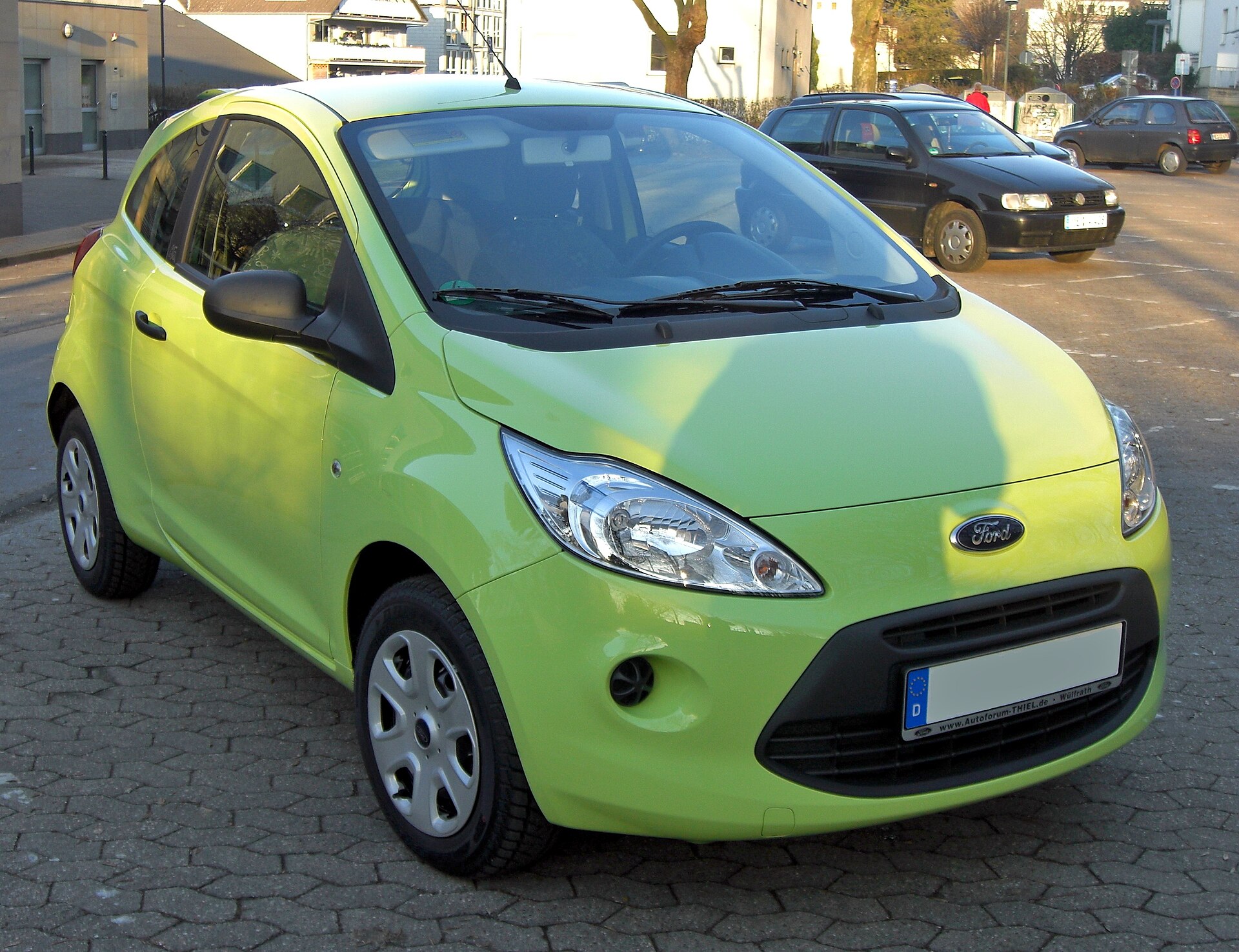
If you, like me, need a car to get around, you’re certainly in the majority. Outside of big cities with good public transport, a car is often the easiest way to get around. But cars are expensive to buy and expensive to maintain. They can be a big drag on your finances if you’re not careful. So, with the Slow Down and Save mindset, let’s consider what you should really be looking for when buying a car.
Have you considered the alternatives?
Cycling is a great way to save money on transportation while also getting fit. It’s the most efficient mode of transport (approx. 20x less energy than driving a petrol car), so if you’re taking a holistic view of the Earth, then cycling is, hands down, the best way to get around. If you mostly take short journeys within-town, then cycling is probably the way to go. You’ll save thousands of pounds and have fewer health problems.
Driving is expensive
Have you ever considered how much your commute to work actually costs you? Or your trip to the shops? It’s a lot more than just the fuel cost. There are many hidden costs to car ownership; insurance, road tax, general maintenance and servicing, MOT, tyres, parking costs, speeding/ parking tickets, the cost of depreciation and interest on finance (if you have it), the cost to your health and the opportunity cost of the time spent driving. How much is your time worth to you? Because you’re certainly spending a lot of it sitting in a car when you could potentially be doing something more productive like building your fitness or a side hustle.
These are the things you really need to consider when buying a car. I’m not trying to put you off driving either – I love driving, and I often organise my holidays around road trips – but you have to consider the overall cost. Of course, the cost to your time and health are nebulous concepts that cannot be easily measured, but even with the other factors we can more easily measure, driving is still shockingly expensive:

NEVER buy a new car
Cars depreciate in value quickly. They are a huge financial liability. The rate of depreciation depends on the make, model and mileage of the car, but somewhere between 10-20% annual depreciation is typical. Imagine if currency depreciated this quickly. Buy a used car, ideally somewhere between 4-8 years old, and make it last. Maintain it and keep it in good condition. Let someone else take the initial depreciation hit.

ALWAYS buy in cash
You should avoid car finance at all costs when buying a used car. There’s no need for it. It will just suck you into a black hole of debt. If you can’t afford to buy a car without cash in hand, don’t buy it. Let’s say you take out finance of £20,000 to buy a car (you’ve already put £3000 down as a deposit). At 7% interest (competitive on the current market), and for a loan term of 5 years, you’d pay back £396 per month, with interest payments totalling £3,761.44!
And even more significantly, you no longer have that extra cash to invest. The person who instead bought the car in cash and invested the £3,761.44 into the global stock market at 9% return per year, would find they had £5,391 after the end of the loan period, £8,455 after 10 years, £20,797 after 20 years, and £309,452 after 50 years. This is the Lost Opportunities Cost. Investing and debt are two sides of the same coin – they both produce compound interest, but one works for you, and one works against you. Which side do you want to be on?
What about leasing a car?
This article is specifically aimed at buying a car, not renting one long-term. Don’t lease new cars; you’re effectively consigning yourself to constantly paying for the devaluing car at the top of its depreciation curve. It’s a stupid idea.
Buy a used car between 4-8 years old
At this age, most cars have already lost somewhere between 40-70% of their original value. You should look for vehicles which have been well cared for and have low mileage. That should be obvious. These are the least things you can do if you’ve already got your mind set on a certain car. I’d use Autotrader (UK website) (US website); they will tell you how competitively the car is priced at for its age and mileage.
Even with used cars, depreciation will still be greatest in the first few years of your ownership. For this reason, you’re financially better off keeping the car for as long as possible; delaying the purchase of your next car and the initial depreciation hit that comes with it. So, you ought to keep your car well maintained and in good condition. Drive it carefully and without abuse. Keep the fluids topped up and the tyres at the correct pressure. Only buy a replacement when you deem the car ownership costs to be more than the depreciation + ownership costs of a newer car.
Considerations
What kind of car do you need? What are you mainly going to be using it for? Most people drive around in cars which are too big and too expensive. For driving around town, you only need a small hatchback like a city car or supermini. No point clogging up the roads with a SUV. If you drive out of town more frequently, a small hatchback is still adequate.
SUVs are unnecessary
The extra height and weight of an SUV just makes them worse in every respect. They are heavier than an equivalent hatchback, so have worse fuel economy, worse handling and worse acceleration. They are larger so more difficult to drive on narrow roads and also to park. And they are more dangerous – they have worse braking performance and the higher ride height and bonnet makes them more dangerous to pedestrians in a crash.
Don’t buy a car for the weekends
When considering what car you need, think about what you’ll be doing in it 99% of the time. Don’t get a big, powerful car if you only occasionally have to tow a trailer. Smaller cars can do this anyway, and if you did want something more powerful, you could still rent an appropriate car for the times when you needed the extra grunt.
Same goes for road tripping – if you want to go on road trips, don’t buy a nice, sleek saloon with cushy leather seats. You’re still going to be using it for everyday life most of the time – driving in the rain, on crappy roads and over potholes. Instead, run an inexpensive hatchback for your day-to-day driving, and with the money you save, just rent a nice car for your holidays. This is a far cheaper method of car ownership, and you’ll still end up with a nicer rented road trip car than you could afford day-to-day anyway.
My recommendations
For almost all situations the following two cars have you covered. They may not be fancy, but they’ll do pretty much everything you could ever want from a car reliably and inexpensively.
The Ford Ka (second generation, 2008-2016) is great for city and town driving, as well as the occasional out-of-town trip.

The Ford Fiesta (sixth generation, 2008-2018) is a great upgrade if you do a medium-large amount of driving, including urban, motorway and rural driving. This car can handle it all. It’s big enough to carry a 4-person family comfortably.

While these are my personal recommendations, the truth is that any small, inexpensive car will serve you well for 99% of your needs. And you’ll save thousands of pounds in the process. For the less than 1% of the time when you need (want) a bigger/ more powerful/ nicer car, either swallow your own pride and make do with what you have, or rent one.
If you are in the financial position to spend more on a car (in cash, remember!), I’d recommend a used electric car. Specifically the first-generation Tesla Model 3 (I’m biased – it’s the car I drive). These vehicles are better for the planet, smooth, quiet, unbelievably fast and extremely reliable because they have so few moving parts (an electric motor has 1 moving part). Electricity is cheaper than petrol too – for my home charging, the cheap overnight charging tariff I pay for allows me to charge the car at ~85% discount vs petrol. (I did have to spend ~£900 to install the charger, however.)

I hope you enjoyed reading this article. If so, here are some others you may like:
Cycle more to save money (and get fit)
A day in my life of intentional living
A no-nonsense guide on how to live a healthy life
A £20,000 car actually costs you (at least) £5,204 per year
You can follow me on X, and find me on Pinterest, Instagram and Facebook.
Leave a Reply