
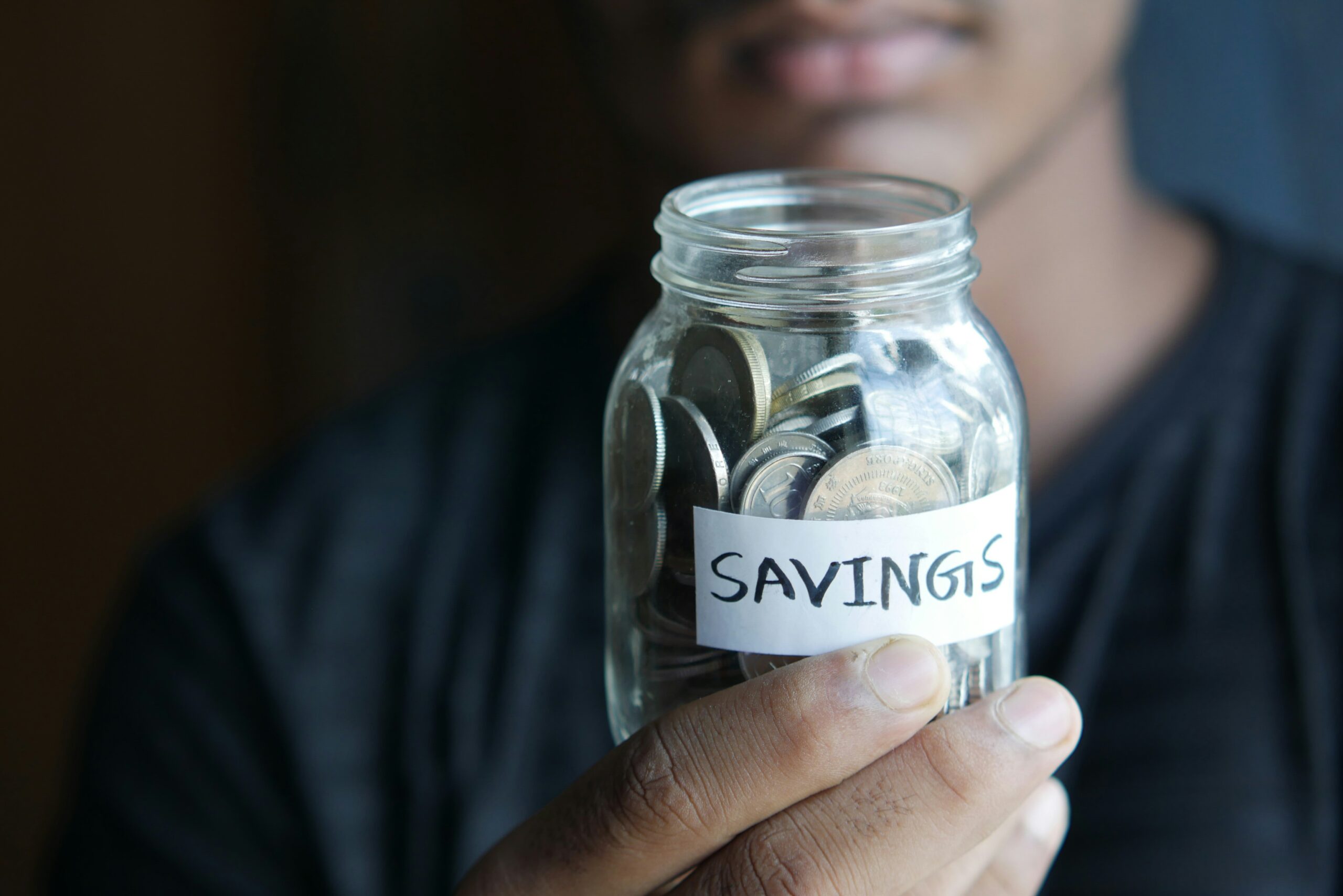
Becoming a millionaire doesn’t usually happen with one big breakthrough. Rather, it happens through small, repeated financial decisions. This blog post is (not-so) shamelessly inspired by my all-time motivator into personal finance, Mr Money Mustache. His original blog, of the same title, can be found here. A millionaire really is made £3.50 at a time, and here we shall learn how small savings can build serious wealth.
I was at a friend’s house recently for lunch, and we got on to the topic of enjoying life while you can, before you get old. On this topic, we eventually started to talk about food (we ate perhaps the best chips I’ve ever had), and on the subject of discussing the differing expenses of the various UK supermarket chains, the conversation went something like this:
I go to Marks and Spencer to buy these [steaks], although they are less expensive at Sainsbury’s or Tesco. I don’t worry about the difference in price. £3.50 is nothing to me.
Immediately my spider-senses started tingling, and I started to think of my old guru, Mr Money Mustache. In an absolute sense, £3.50 may not seem like a lot of money, but actually you can get far more for it than you may think.
What can you get for £3.50? (It’s more than you think.)
This is enough to charge your medium-sized EV by ~65%, potentially giving you up to 180 miles of range (using the cheapest overnight charging tariff at ~ 7p/kWh). Alternatively, it’s enough to provide a days’ worth of gas and electricity to your house, providing you with blissfully hot showers and keeping it cosy warm. For the price of a Grande Latte in Starbucks (~£3.65), you could get a week’s worth of oats and milk for breakfast – a staple food and source of high protein and fibre that your body needs to steadily release energy throughout the day. Millions of people eat this nutritious breakfast every day.
You could get ~ 50 cups of delicious instant coffee to kick-start your days (usually a quality brand like Nescafe), or around 30-35 cups of filtered coffee for your home-brewing barista kit. Alternatively, you could get enough beans, rice and pasta to last a month or more. There’s nothing wrong with eating beans and rice – nutritionally at least, they provide you with a lot of protein, carbohydrate and fibre.
There’s a lot you can do with £3.50, so we should respect it.
Small amounts matter. This is the foundation of how small savings build wealth.
How small savings build wealth
On the smallest scale, simply buying one fewer Starbucks coffee per week will save you £182 per year. Historically, if invested into a diversified global index fund, this could grow significantly over 30 years due to compounding (on the order of £20-30,000), assuming historical long-term global market averages of around 8-10% before inflation. Suddenly we have a very big number which has compounded out of lots of little decisions (deciding to keep your money invested every day). Now we begin to see how consciously deciding not to buy a few things every week can make a big difference to your finances over time.
Subscribing to one fewer streaming service (~£10 per month), eating out one time less (~£40 per month), shopping around to find the cheapest gas/electric/internet/phone providers (~£20 per month), opting to buy less meat and shop at a less expensive supermarket (~£30 per month), and looking for bargain holiday deals on price comparison websites (~£50 per month), can get the ball rolling. More significant conscious decisions like deciding to cycle to work when the weather is good (~£70 per month), and owning a small, inexpensive car (~£300 per month), suddenly change the game.
The power of compounding small amounts
As you can see, small savings can build wealth over time. The key here is consistency. Saving £20 every month for 30 years will compound and eventually be worth (quite a lot) more than a single £10,000 saving that was invested for only 10 years.
The power of compounding becomes exponentially stronger over time, meaning that it’s always to your advantage to stay invested for as long as possible. For example, at 9% return, a £1000 lump-sum investment would compound to around £15,000 after 30 years. But if you doubled your investment horizon (to 60 years), you’d only need to invest ~£70 to be worth the same amount!
This is why time matters more than amount – investments tend to pick up momentum the longer they stay invested (often likened to a snowball picking up more and more snow as it rolls down a hill). Use the snowball effect to your advantage, and understand that the amount of time you stay invested matters more than how much you invest.
The power of compounding large amounts
Making all of the changes to your lifestyle mentioned about, you’d be saving £520 per month. That’s big money all of a sudden. Based on historical long-term market averages, investing this much per month for 30 years could grow to a six-figure portfolio after inflation (~£300-400,000 is achievable) – although returns are never guaranteed. A couple could get this done much faster, and would have almost £716,000 after 30 years. With a paid-off house, two people should be able to live on £20,000 per year easily if they don’t make ridiculous purchasing decisions (buy second hand, cycle as much as possible, only one cheap car, spend time in nature, limit fancy holidays).
Taking ~4% of your portfolio every year to cover life expenses is considered a safe withdrawal rate (SWR), because, historically, long-term market returns have supported withdrawal rates of around 4% per year. In other words, your inflation-adjusted portfolio will (on average) remain the same size even after you withdraw. Taking the £520 you save every month through the relatively simple changes highlighted above, and investing into the global stock market, based on historical averages, it would take around 24 years to reach a portfolio of ~£500,000 – which could allow you to retire (since £20,000/£500,000) = 4%. During retirement, assuming you want to get off your ass and work a few hours each week, you could earn £10,000 per year between the two of you, and suddenly you only need £250,000 to retire! And that would only take 15 years to reach.
I’m not advocating stripping out everything you enjoy from your life right now in order to save as much as possible – you still have to enjoy life. But the point is that even a modest amount of streamlining your finances can push forward your retirement date by decades.
Big money thinking is where the most significant gains can be found
And I haven’t even covered the biggest factors in your finances – where you choose to live and how you progress in your career. These are, by far, the two biggest impactors on your financial life. Yes, you can spend 30 years living frugally and you’ll eventually have enough money to retire on, but you might do this with some dead-end job that’s boring and doesn’t pay well. By focussing on your career – working your ass off and getting promotions – while making sure to negotiate your salary at every appraisal, your salary will skyrocket. Choosing to live in a lower cost-of-living area which is relatively near work will further help you to double down on your savings.
If you can combine a respect for small amounts of money with focussing more of your energy on big expenses like your car and house and income sources like your career, you’ll find yourself saving thousands of pounds a month, and money will become as abundant as rain in the Lake District. Very soon, you’ll be skyrocketing up the road to financial freedom, and could be retired in ten years or less! This is the basic idea behind financial independence.
I hope this article inspires you to develop a long-term wealth building mindset. Here are some other posts you might be interested in:
- How to invest in the stock market for beginners (a Simple UK strategy)
- Live a simple life and save a ton of money
- Simple ways to Save Money
- Is cycling cheaper than driving in the UK?
You can follow me on X, and find me on Pinterest and Facebook.
Leave a Reply