
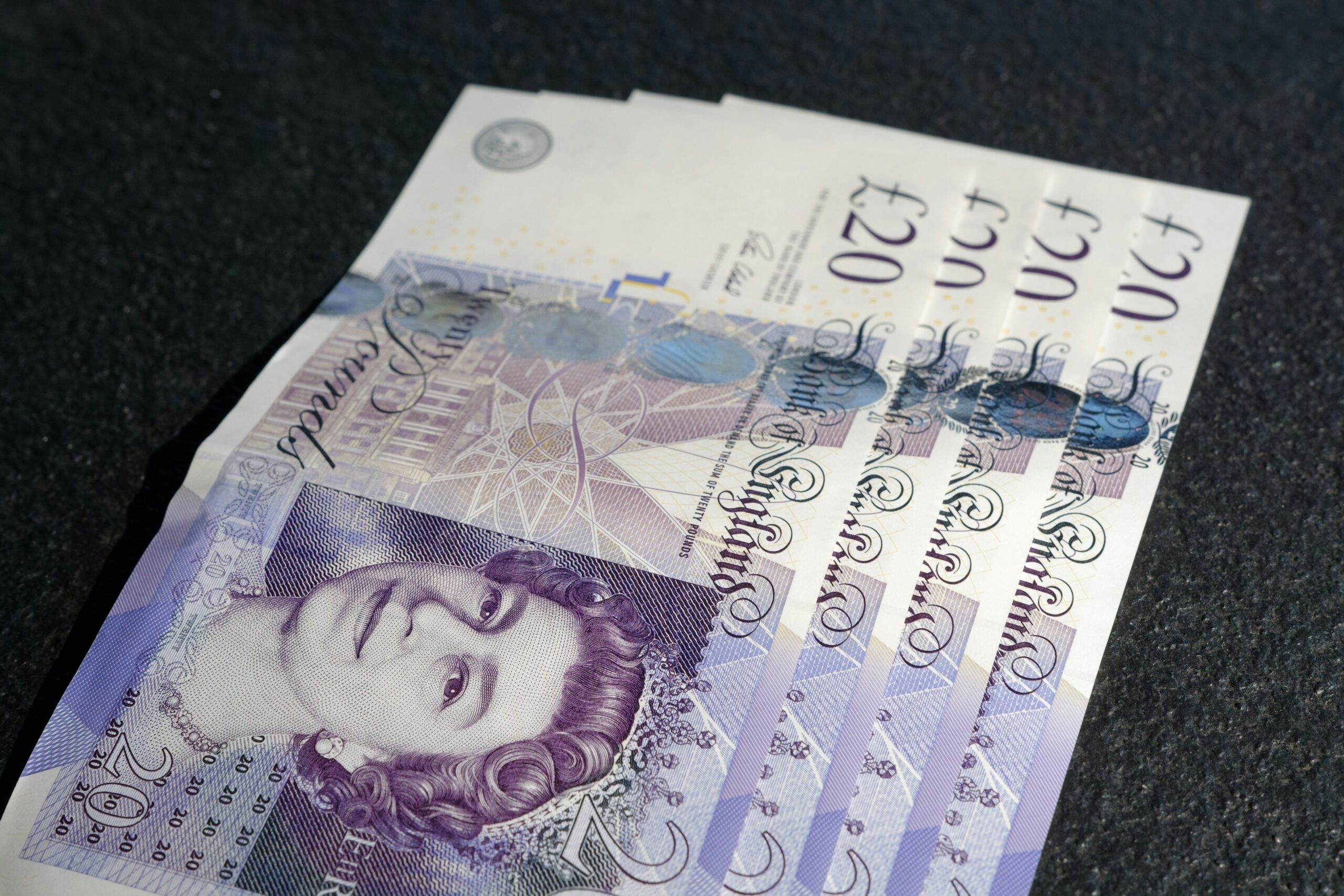
Many people are afraid to take their first step into investing because they see it as gambling. Others believe they lack the knowledge or skills and leave investing to the “professionals”.
But if you want to build long-term wealth, consistent investing should be your top financial priority. With any extra cash you save (hopefully when you start to live a slower, more meaningful life), you should be constantly buying assets – investing your money – to create long-term financial security.
The formula to building wealth is simple: own productive assets, invest consistently, and let compound interest do the work.
Why you need to own assets
The path to long-term wealth is made through owning assets (an asset is something that produces income or appreciates in value over time). For example, a house is usually an asset, while a car is not. Most of the things people own in daily life depreciate in value – we’re looking for things that appreciate. Owning assets is the key to financial freedom. Indeed, a consistent feature amongst the world’s wealthiest 0.01% is that they all own assets and use them to further increase their wealth. But the good news is that you too can copy the methods used by the world’s rich to build wealth.
Examples of assets
- Securities (bonds, shares, index funds – my personal favourite)
- Pensions
- Real estate/ land
- Art
- Gold/ precious metals
- Jewellery
- Collectables (coins, stamps, antiques)
- Classic cars
- Owning a business
You should own a share of the global stock market
Consistently buying shares in the global stock market is the method I use to build wealth. You may like to buy the other assets listed above, but let me explain why owning a global slice of capitalism is the best way to generate wealth.
Most assets require some form of management, and are often more risky and less liquid (more difficult to sell) than shares in the stock market. Yes, some assets will provide higher returns than the stock market (on average), but you have to pay for this with more complicated management. For example, owning real estate and renting it out could generate 10%+ return each year. However, this requires time and maintenance to ensure the rent keeps flowing and the properties are properly maintained. The same can be said for classic cars and art. Also, these assets are often difficult to sell (selling a house can take months).
Buy index funds
Instead, you can own a slice of the global stock market through index funds. Globally-diversified index funds have historically returned around 8-10% per year on average, with no intervention required (you own companies whose employees are working for you), and which are very easy to sell (they have a lot of liquidity). So you can keep buying into global capitalism and potentially earn 8-10% per year without having to actively manage anything. Instead you can get on with your own life.
Still not convinced? If you invested $100 into the stock market in 1900 (worth about $4,000 in today’s money), it would be worth around $15.5 million at the end of 2025 when dividends are reinvested. This shows the power of compounding and long-term investment.
Why cryptocurrency is a bad idea
Cryptocurrencies are not an asset. Yes, some cryptocurrencies (like Bitcoin) have exploded in popularity and price over the past 10 years, but they have a fundamental problem. Unlike other assets, where you are actually buying into something real (like a car, piece of art or, in the case of equities, a slice of a real business with real people trying to make really good products), you do not own anything real when buying cryptocurrencies.
Their value is only based on the speculation that they will continue to go up in value. Put it this way… you wouldn’t “invest” in the US Dollar, Euro or Pound Sterling in the hope that they would go up in value vs all other currencies. There’s no guarantee with crypto either.
Personal finance checklist before investing
However, don’t just throw money at the stock market without thinking. You need to make sure your personal finances are stable before you do this. You need to: 1. Build up an Emergency Fund, 2. Pay off any high-interest debt (except mortgage), 3. Ensure that you’re getting the full match on any employer-matched pension contributions.
Steps 1,2 and 3 above ensure that you create a base level of financial security before you invest. An emergency fund should cover at least three months’ expenses (some people like to have 6 months or more as a larger safety net), and high-interest debt should include any credit card debt, personal loans and car finance.
You should also consider paying off student loans early, especially if you’re on a high income (note that student loans in the UK are very different to the US, and generally come with more friendly repayment plans). Paying off debt gives you more financial security if your investments perform poorly (this is always a risk with investing). However, in general, the longer you own a stock market investment, the lower the probability of negative returns.
Employer-matched pension schemes
Isn’t it obvious to pay into these? Your employer will match your pension contributions up to a certain amount – so make sure to take advantage of it. It’s free money after all! A pension is also an investment (and the main investment the majority of people own): according to research by Hargreaves Lansdown, only 36% of people know that their pension is invested in the stock market (!!)
Make sure you know where your pensions are invested if you’ve had multiple jobs, and consider consolidating them into one pot. Also (IMPORTANT), consider the fees you’re being charged (yes, pension providers will take a percentage of your money every year, in return for managing it). Fees eat into your gains – keep them low (Vanguard‘s third principle for successful investing). I strongly suggest Vanguard as your pension and investment broker, as they are known for having some of the lowest fees in the industry.
The eighth wonder of the world
Albert Einstein once said: “Compound interest is the eighth wonder of the world. He who understands it, earns it… he who doesn’t… pays it.” Let’s provide an example of how it works:
Lump sum investing
Putting $10,000 into a savings account at 2% interest will give you just over $27,000 after 50 years. However, investing $10,000 into a low-cost index fund tracking the global stock market will give you $900,000 after 50 years! The average annual interest is given at 9%, in-line with historical returns.

Growth of $10,000 in a savings account, at 2% interest.

Growth of $10,000 invested in the global stock market, at 9% average return (roughly in line with long-term stock market returns).
So, after a lifetime of investing, you’ll be over thirty times better off than if you’d just put your money into a savings account! When you invest, your assets grow via compounding (when you earn interest on top of interest). Because growth is exponential, only a small difference in interest can result in a huge difference in long-term returns. This is the reason why keeping fees low is so important!
A more realistic scenario
You have a lump sum of $10,000, and you decide to invest it. You also contribute an additional $500 per month. After 50 years with this money sitting in a savings account, you’d have $542,000, whereas if it was invested in the global stock market, you’d end up with $6.81 million!!
The conclusion is clear – in the long term, investing will yield far greater rewards than saving. Here’s the kicker: a middle income person in the UK should be investing £1000 into the stock market every month. In the US, this number should be twice as high. This can be done if you stay focused and maintain discipline.
Be consistent
Time in the market beats timing the market. The longer you keep your money invested, the more likely you’ll see positive returns. Only a few very skilled investors can consistently beat market average returns over the long term.
Consistently investing into the market every month gives you the advantage of pound-cost averaging, which smooths out the impact of market volatility in your investment portfolio. If you can maintain the discipline to keep your money invested during a market downturn, you give yourself the best possible chance of success and will probably end up extremely wealthy later in life.
But what should I do with all this money that I have made through investing? I hear you cry.
Buy back your time
Become financially independent, so you don’t need to rely on your job for income. Instead, your investments will provide enough income (through dividends and gains), to sustain you forever.
In this situation, you can do whatever you want with your own time. You might choose to be incredibly generous, donating to your favourite charities and helping out friends and family. You might even choose to set up your own business, or you might focus on building your health and fitness to become the best version of yourself.
This is where you can let your creativity run wild. You are no longer bound by the constraints of work and have the power to say “no” more often. Do whatever makes you happy.
Avoid consumerism
By owning and wanting less stuff and investing consistently into the global stock market, you’ll be able to retire decades ahead of everyone else – but only if you want to. If you’re happy with your job, keep going – there’s no obligation to quit after all. It is, quite literally, investing for your life.
You don’t even need to live that much of a different lifestyle in order to succeed – you just have to be slightly less consumeristic than average and the difference will compound dramatically over time. So hold on to that temptation to buy a new car – it will likely fade soon anyway – invest your money in the stock market and before you know it, you’ll find yourself laughing at people driving about in massive SUVs while your investments continue to grow.
How do you like to invest? Do you prefer to invest in some other way, or spread your capital over a range of assets? Or perhaps this is your first introduction to assets, compound interest and investing? Either way, I’d love to hear from you!
Other articles you might enjoy…
- The best routine for your monthly pay check.
- Live a simple life and save a ton of money.
- A millionaire is made £3.50 at a time.
You can follow me on X, and find me on Pinterest, Instagram and Facebook.
Leave a Reply