
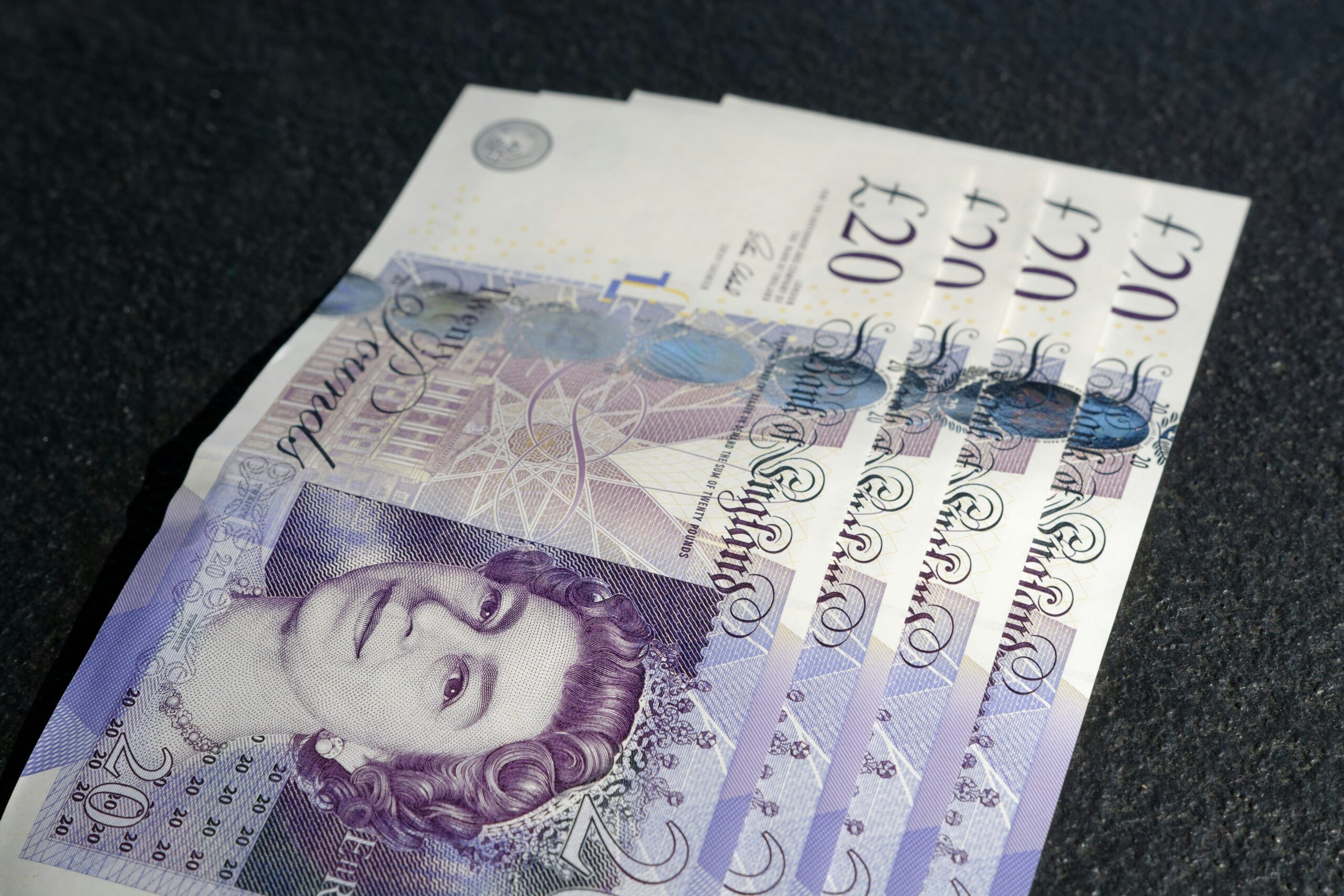
Last week, the chancellor announced the 2026 Autumn Budget. While the headlines talked about the budget giving breathing space to families and businesses from rising costs, including a removal of tariffs from everyday products such as baked beans and chocolate (who cares?), and an attempt to curb energy bills, the greatest, sneakiest tax of them all remains a major detriment to your wealth building potential. Income tax.
The so-called “stealth tax”, because the income tax thresholds have not been increased in line with inflation since 2021, dragging many more people into the higher (40%) and additional rate (45%) tax bands. In fact, with the freeze expected to last until April 2031, 5.4 million more people are expected to be pushed into the higher rate tax bracket compared to the beginning of the tax freeze. This more than doubles the number of higher-rate taxpayers vs 2021(!)
The 60% tax trap
On top of this, there’s the ridiculous 60% tax trap for earners of between £100,000 and £125,140. It works like this:
- Between £50,270 and £125,140, there is a 40% tax rate.
- There is a 45% tax rate for earners of over £125,140.
- However, once you earn over £100,000 per year, the £12,570 tax-free personal allowance is removed at a rate of £1 for every £2 extra earned.
- Taking £1 of tax-free allowance away for every £2 of extra income increases the 40% higher rate by half, creating an effective 60% tax rate in that bracket.
When introduced in 2010, this was a niche issue as it impacted only a very small number of taxpayers. But the tax threshold has been left unchanged since then, so many more people are now facing the issue.
The true tax you pay
And, of course, there’s National Insurance – which is also a tax – and amounts to:
- 8% between £12,570 (the tax-free allowance), and £50,270.
- 2% on earnings over £50,270.
What all this means is that you are paying 42% tax on earnings between £50k and £100k, and 62% (!) tax on earnings between £100k and £125k. To put it mildly… that’s quite a lot of tax. And I get it – the government’s got to pay its bills, and the debt is already bad enough. UK government debt just recently (October 2026) passed £3 trillion (or about 94% of GDP, or £45,000 per person). But, as a worker and taxpayer, it’s also an eye-watering amount of tax to be paying.
What this means is that if you’re already in the higher-rate tax bracket, you will only see 58% of any additional pay rises, and only 38% if earning between £100,000 and £125,140. Or put another way, you’d have to work for 106 days in a year (or 157 days if caught in the £100k tax trap) before seeing any additional pay from your promotion.
Work less to earn more
With so little of your pay actually ending up in your pocket, suddenly different approaches to work look more appealing. By reducing the number of hours you work such that your total pay is below the higher rate tax threshold, you get to keep more of your pay for less effort. Let’s consider two people who earn an equivalent £90,000 per year wage. The first has a normal full-time job, the second works part time 2.5 days per week. We’ll keep it simple and assume no pension contributions or student loan repayments.
The person working full time pays £27,242 in tax on their full £90k earnings (£23,432 income tax and £3,810 in National Insurance), while the person working half hours pays £9,079 on their £45k earnings (£6,486 income tax and £2,593 in National Insurance). In other words, the person working half hours pays £4,542 less tax on their share of earnings vs the person working full time – because they benefit from the lower 20% basic tax rate, while the other person has to pay the full 40% tax on their earnings above £50k.
This difference is magnified even more the higher your salary becomes – especially if you work fewer hours. For example, two people earn an equivalent £150,000 per year wage. The first has the full-time job, while the second works just 1.5 days per week.
- The person working full time pays £58,713 in tax on their full £150k earnings (£53,703 income tax and £5,010 in National Insurance),
- The person working part time pays £9,079 on their £45k earnings (£6,486 income tax and £2,593 in National Insurance).
- This means the person working at 1.5 days/week, or 30% hours, pays £10,492 (!) less on their share of earnings vs the person working full time.
In years gone by, this predicament would only have affected those lucky few to have been earning such princely sums. But with tax thresholds being frozen for consecutive years, more and more people are being impacted. Suddenly, the question of whether you might actually be better off paying less effective tax and going part time becomes reasonable.
Now, it might not be the case that many employers offer part-time work easily. But, if you are a high performer with in-demand skills, then an employer is more likely to be willing to work with you on your terms. You just need to make yourself a valuable employee.
Of course, there are ways to offload some of the tax burden to high earners – by contributing heavily into your pension (for which you get a tax rebate), or by using an employee salary sacrifice scheme. But the point I’m making here is that when it comes to the time spent at work, higher and additional rate tax payers have a higher effective hourly salary if they work part time. This gives you more freedom to spend doing any number of badass things with your newfound free time.
After all, when it comes to getting maximum enjoyment out of life, you need ample time, money and health. And for some people at least, going part time and reducing their effective tax rate frees up enough time to focus on health and experiences that make life more enjoyable.
When it comes to tax, it really does pay to be lazy.
I hope you enjoyed this post. Here are some others you may also find interesting:
- Why Traditional Retirement doesn’t Work
- The Quiet Millionaire: the Theodore Johnson Investing Story
- Golden Rules for Career Success
- How to be a Badass at Life
- Stop Procrastinating and Start Building your Dream Life
You can follow me on X, and find me on Pinterest, Instagram and Facebook.
Leave a Reply