
The average UK household spends around £1,500 per year on eating out and takeaways. Some households will spend considerably more than that. Food has become very expensive over recent years, with prices chiefly driven up by a near-20% inflation rate in late 2022/ early 2023. This is reflected in the grocery bill as well as in restaurant prices. Food prices are rising faster than wages, and many people are having to cut back on eating out. I’m here to tell you that all is not lost – proper home cooked meals are the solution, and with just a little effort on your part, can be on par with the quality you’d expect to pay for at a restaurant.
Learn to cook like a pro
Yep, that’s the advice. If you can learn to cook delicious, gourmet food at home, then you can say goodbye to the restaurant and takeaway. In fact, you won’t even want to eat out, because your home-cooked grub will be so delicious. I’m not talking about fancy restaurant-grade presentation and stupid French names that no-one can pronounce – just honest kitchen suppers that will fill your belly and put a smile on your face. Good, hearty food that doesn’t break the bank.
This is the secret behind reducing your restaurant bill. Just cook the food at home instead, but make it taste amazing.
It does take an investment of time, both to research the recipes, learn some basic cooking skills, and to make the dishes themselves. But it’s well worth it. I’ve dramatically improved the quality and nutrition of the food I eat since I’ve been adulting (but especially since I started working part-time). The dishes are more flavoursome, and there’s more variety in what I cook. As I gain confidence, I’ve also become more adventurous, making delicious stews, pies, pastas and desserts, to name a few.
Find the best cookbooks
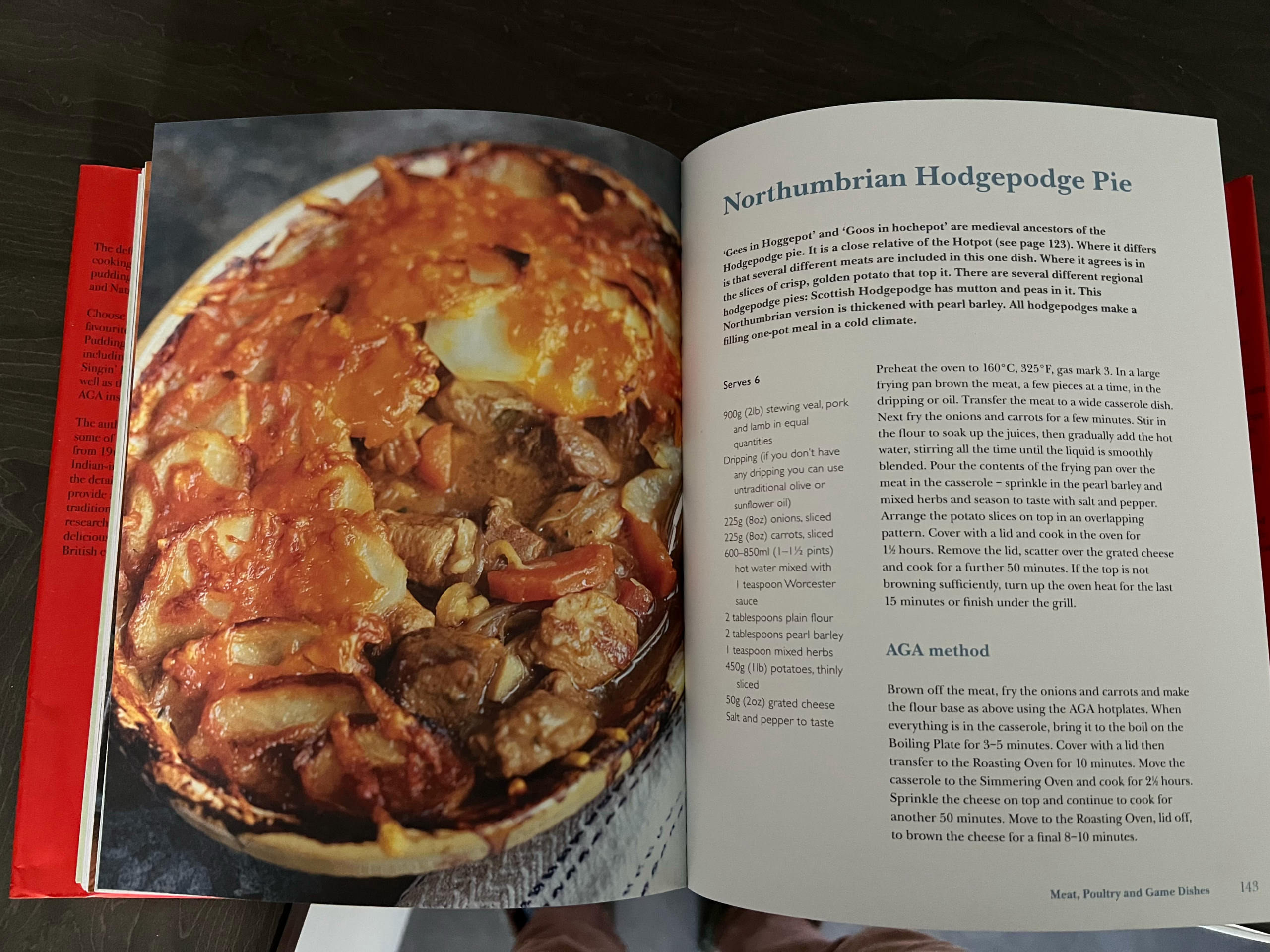
I’ve got a curated selection of about 7 or 8 cookbooks that I’ve accumulated over the years. These have either been gifted to me, or I have found them in charity shops for very little money. The cookbooks I keep going back to are Nosh for Students (yes, I’ve had this since I was at university), and BBC Good Food – Cheap and Healthy. I’ve been cooking out of these for years, but started to grow tired of the recipes – so, I have a curated list of recipes on GoodFood online that I put together, as well as (amongst others) a couple of Gordon Ramsey cookbooks, and the National Trust Complete Traditional Recipe Book. This has dramatically expanded my catalogue of potential recipes, keeping my cooking interesting and the food delicious.
They’ve also encouraged me to expand my cooking skills significantly, cooking dishes I’ve never made before. I didn’t learn all of these skills overnight, but rather by trial and error, improving my skill set little-by-little over the years. The food I eat is now vastly more exciting and nourishing than when I first started adulting (it was often just pasta and peas back in the day). It does require more time commitment – but I have more time since I started intentionally engineering my life to have fewer work hours.

Cook more than you need
I’ve been doing this for years, and I always at least double the recipe (usually initially for 4 people). This ensures I have leftovers for future meals. You should learn to embrace leftovers – they should not be looked down on, but rather are a clever way to save time (and reduce waste), while you get to continue enjoying delicious home-cooked food.
I often make enough food for 8-10 meals(!). If there’s too much food in the fridge, I’ll freeze it. It’s rare that I’ll make food that is more difficult to batch cook (burgers, for example), and I never make meals with bare slabs of meat (like steaks and chicken thighs – thinking about overall meat consumption here). So, my cooking style lends itself more to stews, curries and pasta bakes – and I have large casserole dishes and a family-sized slow cooker to facilitate this.
It also means that I only have to cook once every third night on average, so less time spent in the kitchen overall. (Although a little secret is that cooking has rather become a passion of mine, and so I’ve started baking and making desserts more often.) This elevates my diet even more (although is probably less healthy overall – oh well, you have to enjoy life), but it does mean that I’ve tended to spend more time in the kitchen in recent years. But it’s something I enjoy doing, and I get very tasty food out of it.
Don’t waste anything
With this style of cooking, the microwave is my friend. I use it frequently to re-heat food. And it means I can enjoy leftovers for many days. I hate food waste, and you should too. In the year to July 2025, 10.2 million tonnes of food was wasted in the UK, across households, farms and the supply chain (including supermarkets and hospitality). About 60% of that was from households – it’s not the supermarkets who are to blame, it’s you.
Cutting back on food waste is an area where we can easily reduce our environmental impact – by reducing the amount of land needed to grow food, reducing the number of animals killed and the amount of greenhouse gas emitted (along with harmful chemicals like pesticides and nitrogen – which leak into rivers (and our drinking water)). It will also save you money.
Bake your own bread
Another trick I use to improve my life, is to make all of my own bread. I bought a used bread machine for £30, and am able to make a 800 gram loaf for about 50p. The loaves are delicious – far, far better than anything you can buy in a supermarket, and much healthier too. Ingredients: flour, water, olive oil, a little sugar and salt, and yeast. That’s it. None of the other crap that is put in supermarket bread so it stays fresh.
The downside of homemade bread? It goes stale quickly. We keep ours wrapped up in the fridge, and even then you’ve got a shelf life of 4 days max. Fortunately, it’s so delicious we’ve usually eaten it by then. And another thing – it’s super easy to make. It takes just 3 minutes to weigh out all the ingredients and set the timer. It’s just set it and forget it. 3hrs later, the house is filled with the mouthwatering smell of freshly-baked bread. And then we have the trouble to actually eat it.
A recipe for a delicious bread machine loaf can be found here.
How much do we actually spend on food?
A quick look back through our shopping receipts, and we spend around £280 per month on groceries, which is actually a little lower than the average UK household. We don’t buy the cheapest brands (although I’ll always take advantages of any offers, plus get the Clubcard points) – rather, it’s the bulk-cooking and ingredient buying which pushes down the overall food cost.
I’ll admit to not knowing precisely how much we spend on restaurant meals every year – although it’s not a huge amount. I’d estimate ~ £800 per year, again which is far lower than the average of ~£1,542 per household. We never buy takeaways – if we’re going to get someone else to cook for us, we’d much rather make it an occasion, dress up and actually go out to a nice restaurant.
The takeaway points here are:
- Buy food in bulk, and cook in bulk.
- Be the king of leftovers.
- Learn some basic cooking skills and become a master chef.
- Avoid eating out because you can cook better food at home (and have leftovers).
- Curate a list of dinner recipes that you love – and keep coming back to them.
- Bake your own bread.
Here are some other posts you may enjoy:
- Fuel to be an Athlete of Life
- The Wealth Trap of the Middle Class
- Rich Dad Poor Dad
- Why additional contributions into a large portfolio don’t matter
- Why £200k is investing’s magic number
You can follow me on X, and find me on Pinterest, Instagram and Facebook.
Leave a Reply